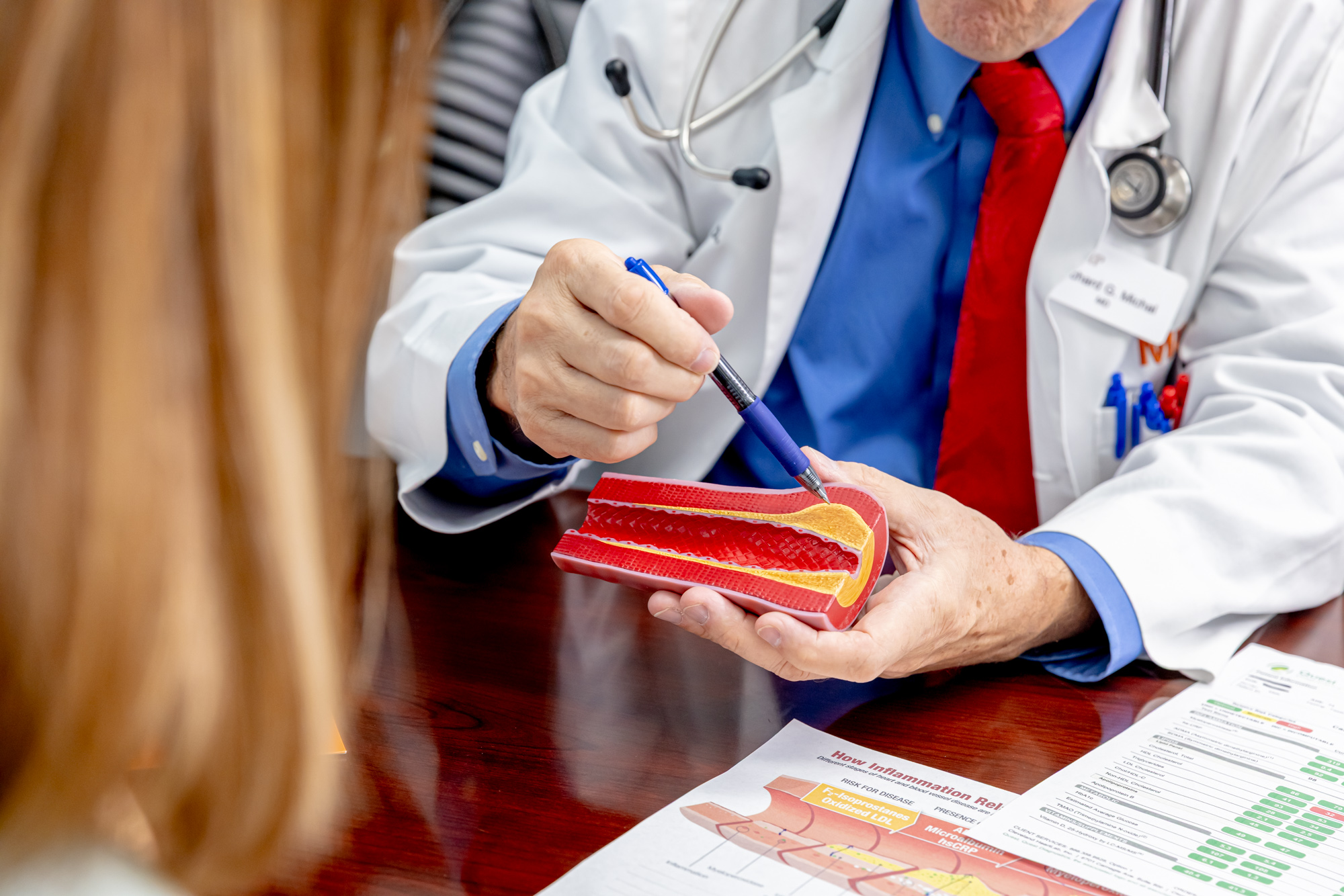














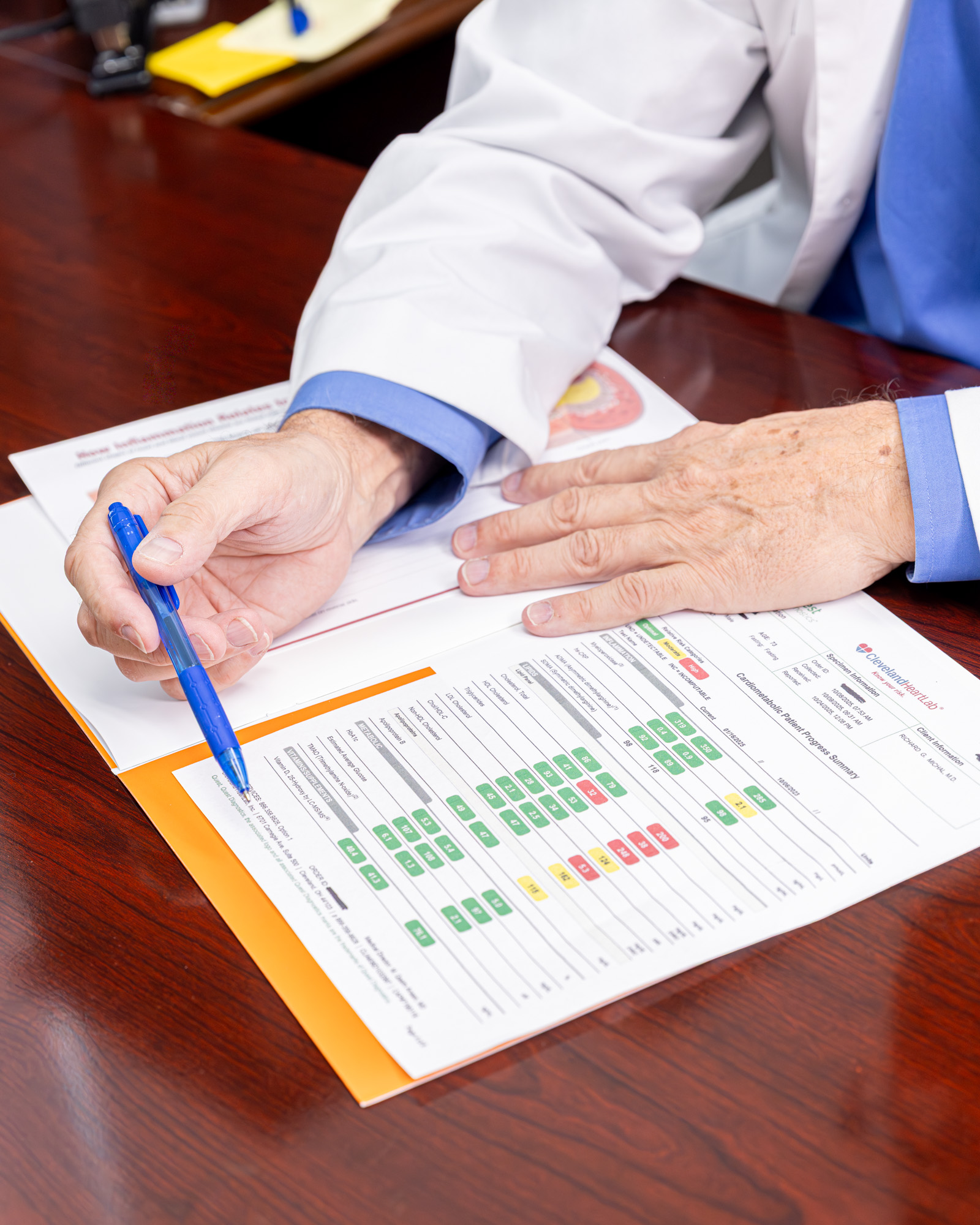





Traditional cholesterol panels give you a surface-level view, while PHR testing goes deeper. Instead of looking only at LDL (low-density lipoprotein) or HDL (high-density lipoprotein), it analyzes inflammation markers, oxidized LDL, lipoprotein(a), and other silent contributors to heart disease. Dr. Michal will use this data to provide context that gives you a clearer understanding of your body’s needs.
If you’ve ever been told “your cholesterol looks fine” but still felt uneasy, this may be why. Our cardio risk assessment in Rocky Mount uses PHR testing to catch red flags that routine tests often miss, so you can act before symptoms appear.